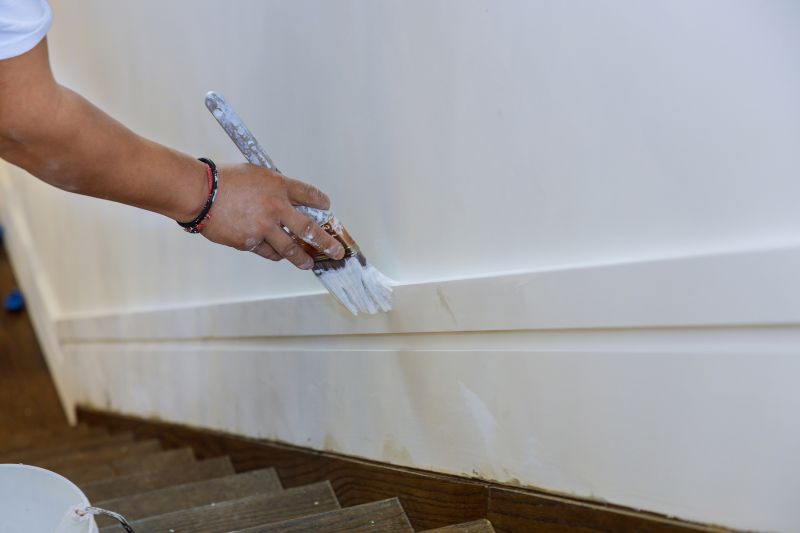
Interior Trim Staining in Wilmington, NC
Interior trim staining services involve applying a stain to woodwork such as baseboards, crown molding, door and window casings, and other decorative trim elements. This process enhances the natural beauty of the wood, highlighting its grain and character while providing a uniform, polished appearance. Homeowners often request this service when updating the look of existing woodwork, matching new trim to older pieces, or restoring the warmth and richness of interior wood accents. Projects can range from small touch-ups to extensive renovations that require staining multiple rooms or entire areas.
Before requesting interior trim staining, property owners typically want to understand the type of stain used, the expected finish, and the maintenance involved. It’s also important to consider the current condition of the wood, as damaged or heavily worn trim may require additional preparation before staining. Clear communication about desired color tones and finishes can help ensure the results align with aesthetic preferences. Proper surface preparation and application techniques are essential for achieving a smooth, durable finish that enhances the overall interior design.
Many property owners in Wilmington, NC look into Interior Trim Staining for repairs, replacements, upgrades, and appearance-related improvements.
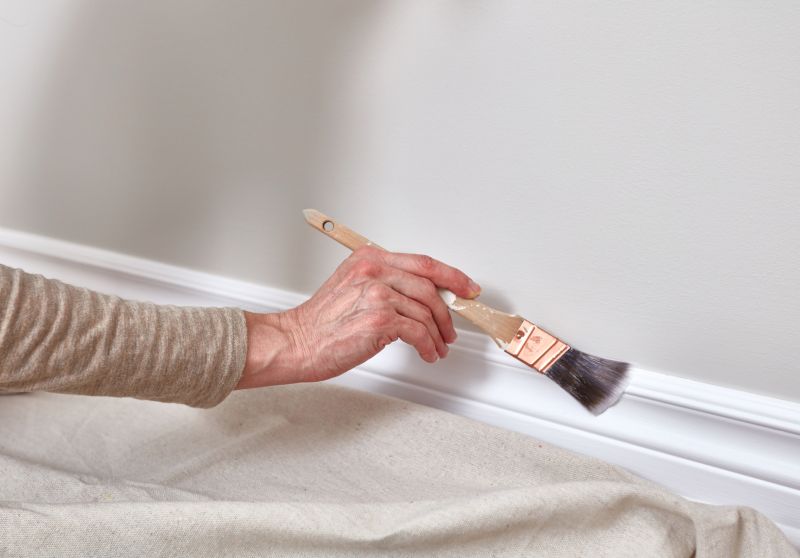
Enhancing Interior Wood Details
Staining interior trim can add warmth and character to living spaces in wilmington homes.
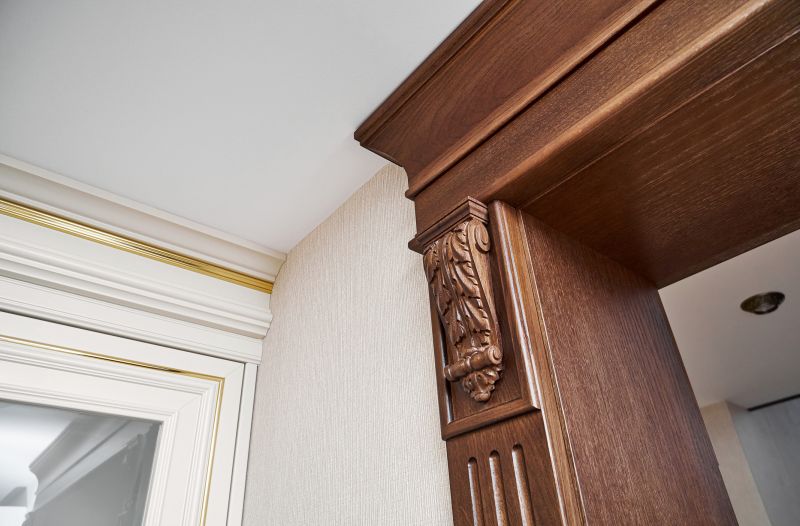
Custom Finish Options
Choose from a variety of stain colors and techniques to complement your home’s style.
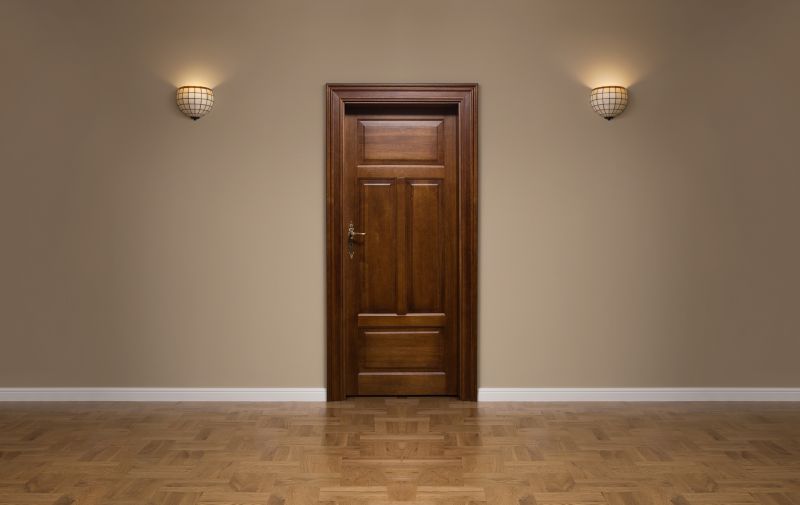
Protecting And Preserving Trim
Proper staining helps safeguard wood surfaces against wear and environmental damage.
Interior Trim Staining in Wilmington, NC
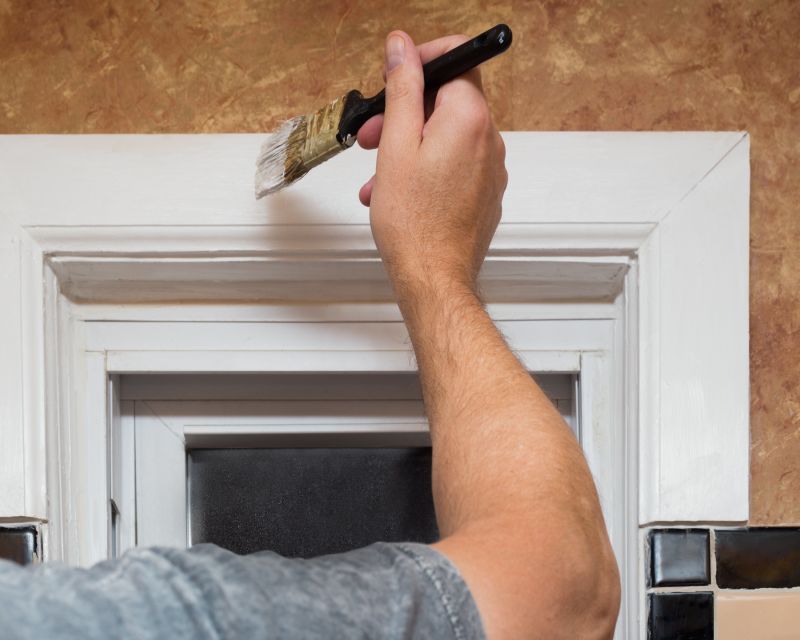
Interior trim staining services involve applying a stain to woodwork such as baseboards, crown molding, door and window casings, and other decorative trim elements. This process enhances the natural beauty of the wood, highlighting its grain and character while providing a uniform, polished appearance. Homeowners often request this service when updating the look of existing woodwork, matching new trim to older pieces, or restoring the warmth and richness of interior wood accents. Projects can range from small touch-ups to extensive renovations that require staining multiple rooms or entire areas.
Before requesting interior trim staining, property owners typically want to understand the type of stain used, the expected finish, and the maintenance involved. It’s also important to consider the current condition of the wood, as damaged or heavily worn trim may require additional preparation before staining. Clear communication about desired color tones and finishes can help ensure the results align with aesthetic preferences. Proper surface preparation and application techniques are essential for achieving a smooth, durable finish that enhances the overall interior design.
Many property owners in Wilmington, NC look into Interior Trim Staining for repairs, replacements, upgrades, and appearance-related improvements.
Common Interior Trim Staining Jobs
Interior trim staining - enhances the appearance of woodwork and moldings throughout the home.
Kitchen and bathroom trim - refreshes or updates baseboards, crown molding, and door casings.
Custom staining - provides a tailored finish to match existing wood finishes or new design elements.
Restoration projects - restores faded or damaged trim to its original beauty.
Color matching - ensures stain colors blend seamlessly with existing woodwork.
Surface preparation - involves cleaning and sanding to achieve an even, high-quality stain finish.
Interior Trim Staining Questions
What types of interior trim can be stained? Interior trim such as baseboards, crown molding, door casings, and window frames can be stained to enhance their appearance and match existing decor.
Is staining suitable for all wood types? Staining works well on most wood types, especially hardwoods like oak, maple, and cherry, to bring out their natural grain and color.
How does staining differ from painting? Staining penetrates the wood to highlight its natural grain, while painting covers the surface with an opaque color for a different aesthetic.
What are common reasons to stain interior trim? Staining is often chosen to improve visual appeal, match other wood finishes, or restore the look of older or worn trim surfaces.
Request Interior Trim Staining in Wilmington, NC
Use the quote form on this page to share the basics of your project and request more information for the type of work you need.